Why Explore Hidden Treks in Karnataka?
Karnataka is famous for its Western Ghats. Most people only know of popular treks like Kudremukh or Kumara Parvatha. But there are many lesser-known trails hidden across the state that offer a completely different experience.
These hidden treks are usually quieter and feel calmer. The trails pass through untouched forests, mist-covered hills, and remote villages. The open grasslands are without the heavy tourist rush seen on more commercial treks. Because of this, the overall journey often feels more peaceful and connected to nature.
These routes are perfect for people who enjoy peaceful trekking experiences, want less crowded viewpoints, prefer nature over commercial tourist spots, and like exploring newer trails in the Western Ghats.
What Makes a Trek "Hidden"?
A trek does not have to be completely unknown to be called hidden. In most cases, a hidden trek simply means a route that still feels less commercialised compared to mainstream trekking spots. These trails usually have fewer visitors, quieter summit areas, limited tourist infrastructure, less online exposure, and more natural surroundings.
Being hidden does not always mean being difficult. Some offbeat treks are beginner-friendly while others can be physically demanding depending on the terrain and distance.
Best Hidden Treks in Karnataka
Netravati Peak Trek
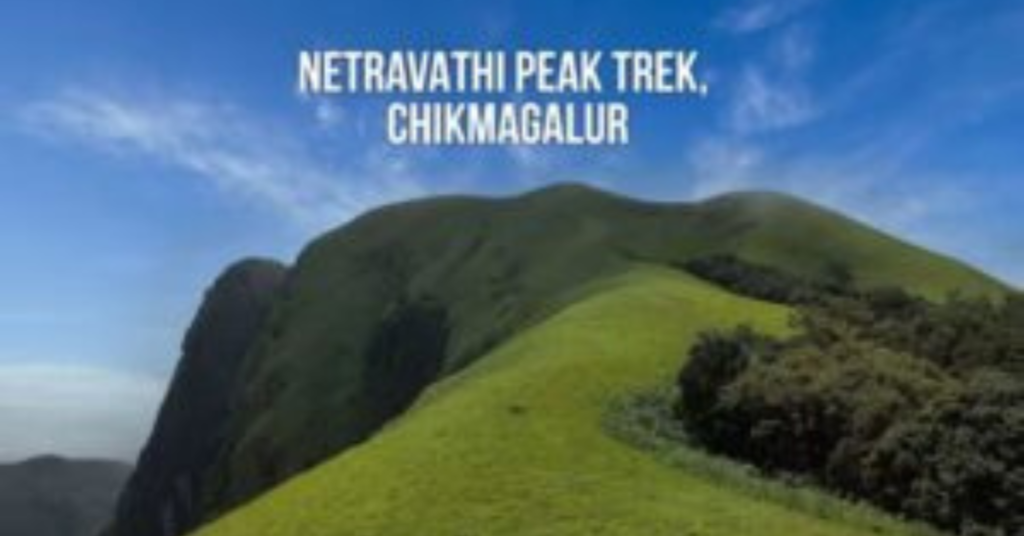
The Netravati trek is often seen as the best offbeat alternative to the Kudremukh trek. This trek has become popular in recent years for its much quieter trail. It feels far more relaxed than heavily visited routes, and the trails pass through shaded forest patches before gradually opening into rolling hills and narrow ridgelines.
Unlike other trekking hotspots, Netravati feels slower and less touristy. Many trekkers prefer it because the experience feels more natural with the beauty of the Western Ghats.
Best for: Weekend trekking plans, monsoon trips, first-time trekkers with decent fitness, or people looking for a quieter alternative to Kudremukh.
Kurinjal Peak Trek
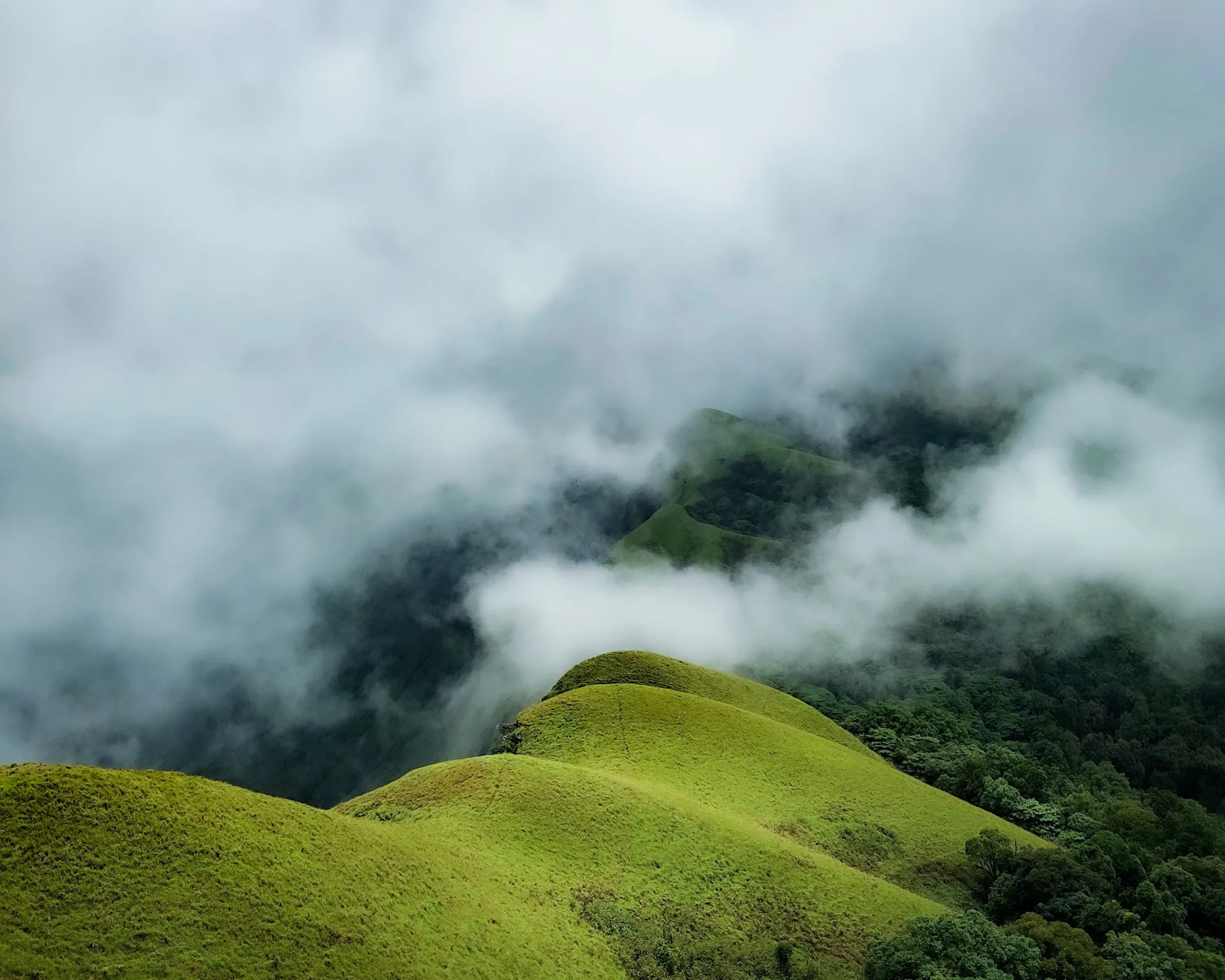
The Kurinjal trek is one of those treks that surprises people with its scenery. Even though it lies inside the Kudremukh National Park region, the trail sees much fewer visitors. The route moves through dense jungle sections before opening into steep grassy slopes near the summit. It is a shorter trek than Kudremukh, but the climb still feels adventurous. The summit offers beautiful views of the surrounding hills and valleys covered in clouds. Kurinjal is well-suited for trekkers who want scenic mountain landscapes without committing to a very long trek.
Ombattu Gudda Trek
Ombattu Gudda is one of the toughest and most remote treks in Karnataka. The name itself means "Nine Hills," inspired by the continuous ridges along the route. Unlike regular weekend hikes, this trail demands serious stamina to complete. The route moves across multiple peaks with long hours of climbing and few easy sections in between.
Passing through isolated forest and ridge terrain, the journey feels more rugged compared to other commercial trekking routes. The difficult terrain and changing weather conditions make Ombattu Gudda better suited for experienced trekkers. Permits for this route can sometimes be difficult to obtain.
Bandaje Falls Trek
Bandaje Falls is one of those treks where the journey itself feels just as exciting as the final viewpoint. The trail has forest climbs, open ridges, and massive valley drops before reaching the waterfall viewpoint. One of the most memorable parts of this trek is the ridge walk near the Ballalarayana Durga Fort. The open mountain sections feel dramatic, especially during the post-monsoon season when clouds move across the valley.
Compared to other shorter treks, Bandaje feels more physically demanding because of the long walking distance and continuous elevation changes. But the mix of waterfalls, fort ruins, and mountain scenery makes the experience feel worth it.
Kodachadri (Hidden Routes)
Kodachadri is a famous peak in Karnataka, but most people only visit through the regular jeep route. The lesser-used trekking trails around Kodachadri offer a completely different experience. The route passes through Hidlumane Falls and feels far more immersive and adventurous.
Instead of directly reaching the summit, these longer paths take trekkers through streams, stone steps, thick jungle patches, and steep climbs. Because fewer tourists choose these trails, the route feels quieter and more connected to the surrounding landscapes.
Difficulty Level of Hidden Treks
Most hidden treks in Karnataka are generally moderate to difficult. This is not always because of distance, but because they are less developed and harder to navigate compared to commercial routes. Unlike commercial treks, these offbeat trails may not have clear signboards, proper markings, or regular checkpoints.
- Steep ridge climbs
- Dense forests with limited visibility
- Slippery mud trails during the monsoon
- Long walking hours with fewer rest points
Treks like Ombattu Gudda can feel physically challenging because of the continuous elevation gain and remote terrain. On the other hand, treks like Netravati or Kurinjal are relatively more manageable for beginners with decent fitness.
Best Time to Explore Hidden Treks in Karnataka
Monsoon (June to September)
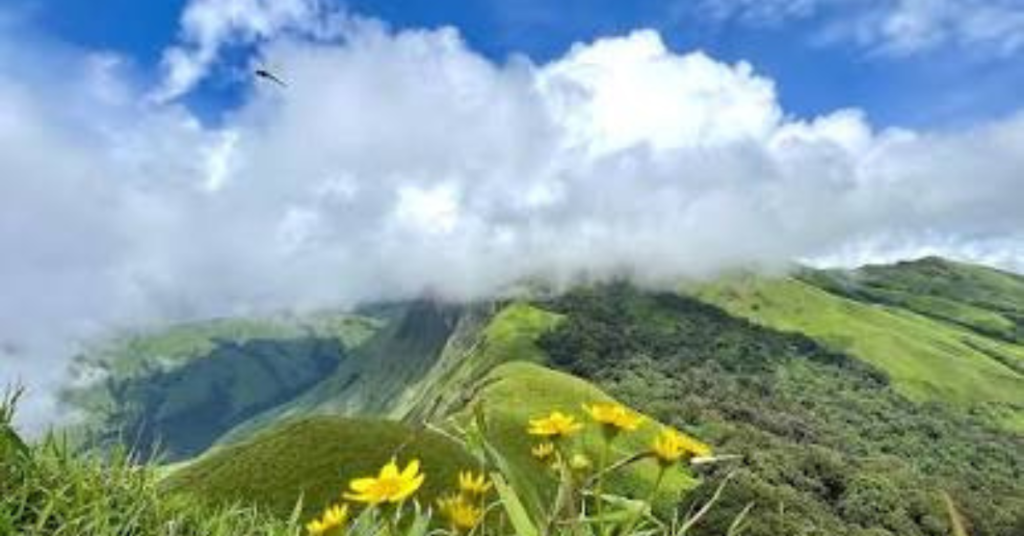
During this time, the Western Ghats look their most beautiful. Forests become greener, waterfalls turn active, and clouds move constantly across the hills. Hidden treks feel especially magical during this season. At the same time, monsoon trekking can get more challenging due to slippery trails, leeches, reduced visibility, and harder stream crossings. Monsoon is best for people who want a raw mountain experience and don't mind wet trails.
Post-Monsoon and Winter (October to February)
This is generally the safest and most comfortable season for trekking. The greenery from the monsoon remains, but with much clearer skies and easier long hikes. Trails become more stable, and this season works best for beginners, photographers, or multi-day trekking plans.
Summer (March to May)
Summer is generally less preferred. Many treks become dry and exposed during afternoons. Water sources may also be reduced on longer routes. However, forest-heavy treks with shaded sections can still be explored early in the morning.
Permits and Forest Rules
Since many hidden treks in Karnataka pass through protected forests, some routes do require entry permits before starting the trek. For some trails, permits are issued near the forest checkpost at the base village. In other cases, local homestays or trekking operators help arrange permits in advance.
Treks like Netravati Peak and Kurinjal Peak usually follow forest department regulations because they fall close to protected zones. Apart from permits, most forest trails also have restrictions: no littering, no loud music, no plastic waste inside trekking areas. In some places, camping and night trekking are restricted as well.
How to Reach These Treks from Bangalore
Most hidden treks in Karnataka are spread across the Western Ghats region near Chikmagalur, Kudremukh, Agumbe, Sakleshpur, and Kodagu. For travellers from Bangalore, these treks usually work as overnight weekend trips. The base villages are around 150 to 400 km away, depending on the route.
The journey usually involves: City → nearest town → base village → trek starting point. Most cities are well-connected through highways and overnight KSRTC buses. But the final stretch near trekking villages is where travel becomes slower and roads get narrower.
This is why many trekkers prefer staying overnight near the base village and starting the trek the next morning early.