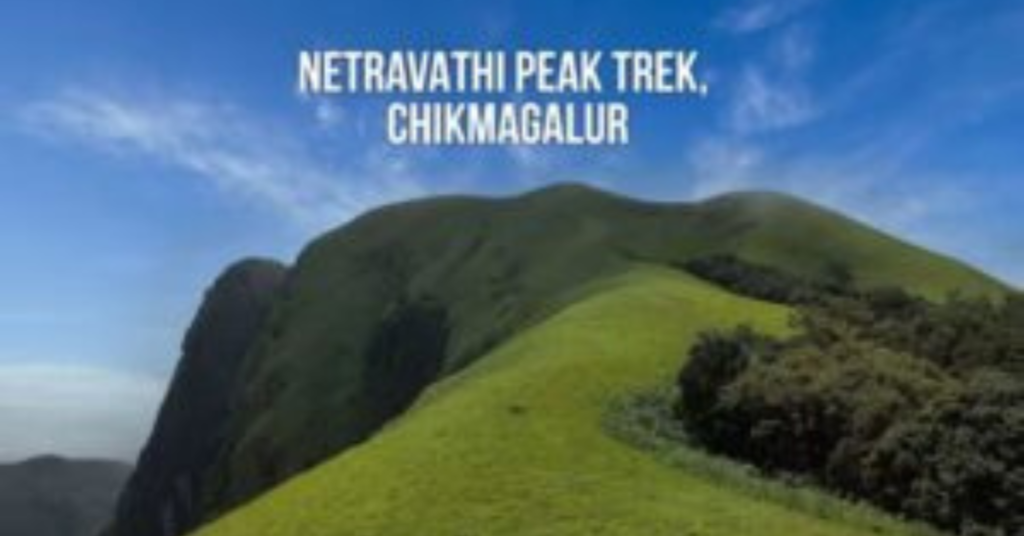
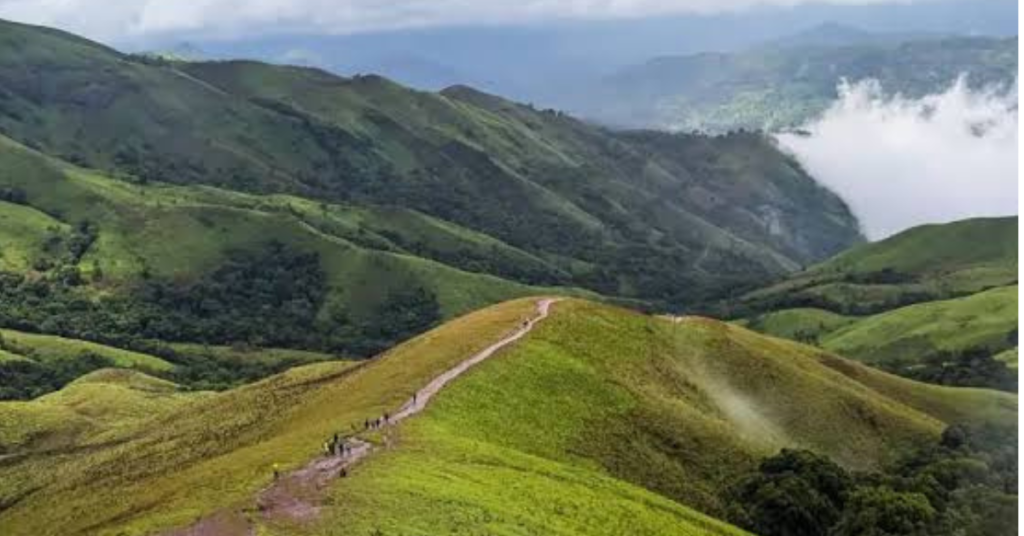
Why Compare These Two Treks?
Netravati Peak and Kudremukh are both in the Kudremukh National Park range of the Western Ghats, Chikmagalur district. They're roughly 25 km apart, both accessed from similar base points, and both draw Bengaluru trekkers for weekend getaways. The question "which should I do?" comes up constantly.
The honest answer: they're different enough that one will suit you better than the other depending on what you're after. This comparison breaks it down across every dimension that matters.
The Basics: Head-to-Head
| Parameter | Netravati Peak | Kudremukh Peak |
|---|---|---|
| Altitude | ~1,563 m | ~1,892 m |
| Trek Distance | ~16 km (round trip) | ~22 km (round trip) |
| Duration | 2 days, 1 night | 2 days, 1 night |
| Difficulty | Moderate ✓ | Moderate–Difficult |
| Crowds | Low–Medium ✓ | High (especially weekends) |
| Permit | Forest Dept. (easy) | Forest Dept. (strict quota) |
| Scenery Type | Forest + meadow + ridge | Pure meadow + highest views ✓ |
| Best Season | Sep–Feb | Oct–Jan |
| Suitable for first-timers | Yes ✓ | With experience, yes |
| Crowd management | Better ✓ | Heavily managed, restricted |
Altitude & Views
Kudremukh wins on altitude at 1,892 m vs Netravati's 1,563 m. That extra 330 m translates to broader views — on a clear day from Kudremukh peak, you can see across to the Arabian Sea coast, and the panorama of the Ghats ridge is wider.
But altitude isn't everything. The view from Netravati's summit is genuinely spectacular — particularly the 270-degree ridge-line panorama and the way the Shola forest looks like a dark-green sea below you. Several trekkers who've done both say Netravati's summit "feels" more dramatic because the approach and the reveal are better designed by geography.
Views Verdict
Kudremukh for maximum altitude and sea-facing panorama. Netravati for a more dramatic summit approach and a less crowded viewpoint. Both are genuinely world-class.
Difficulty Level
Both are rated Moderate, but there's nuance. Kudremukh's extra 6 km of distance and 330 m of additional elevation gain make it noticeably more demanding, particularly on Day 2. The descent from Kudremukh is harder on the knees because of the long, open meadow sections with no shade.
Netravati's difficulty spike is concentrated in a 500-metre scramble section near the summit — steep but short. The rest of the trail is genuinely easier than Kudremukh's relentless undulating meadows.
For first-time trekkers or those returning after a long gap: Netravati is the better starting point. You can always do Kudremukh next.
Crowds & Trail Experience
This is where Netravati wins clearly. Kudremukh is Karnataka's most-famous trek and is heavily promoted. On peak weekends (Oct–Dec), 100–200 trekkers may be on the trail simultaneously. The forest department has implemented strict quotas as a result, and permits can be hard to secure within 2 weeks of your planned date.
Netravati, despite being in the same range, sees a fraction of this traffic. A typical weekend batch encounters 20–50 trekkers total on the trail. The camping site is quieter, the summit is emptier, and the overall experience feels much more like genuine wilderness.
Trail Experience Verdict
Netravati wins for solitude, atmosphere, and permit availability. If you value the feeling of being in the mountains over peak altitude numbers, Netravati is the better choice.
Permits & Accessibility
Both treks require Forest Department permits. But in practice, Kudremukh permits operate under a strict daily quota and need to be booked in advance — especially from October to January. Last-minute or same-week bookings are often not possible.
Netravati permits are easier to arrange. You can often secure permits with a week's notice, and in the off-season, even shorter. Your operator typically handles this entirely — no separate booking needed.
Scenery & Terrain
The two trails offer distinctly different visual experiences:
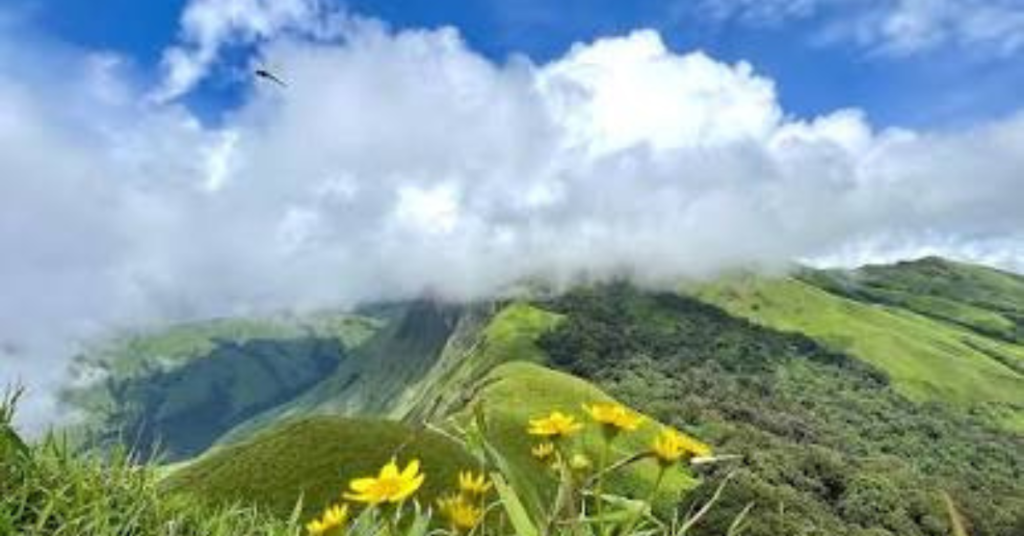
- Netravati: Rich Shola forest for the first 60% of the trail, transitioning to open grasslands near the summit. Two stream crossings. A defined ridge walk near the top. More "forest trek" in character.
- Kudremukh: Long rolling grassland meadows dominate the trail beyond the 4 km mark. The open landscape feels more expansive but also more exposed. The summit plateau is broad and wind-swept.
Your preference here comes down to personality. Do you like enclosed forest atmospheres that suddenly burst into open views? Netravati. Do you prefer epic wide-open meadow landscapes from start to finish? Kudremukh.
Photography
Both are exceptional for photography, but for different reasons. Kudremukh wins for wide-angle landscape shots — the rolling hills and sky ratio is hard to beat. Netravati wins for intimate forest shots, macro photography of Shola flora, and dramatic summit silhouettes. Sunrise photography is better at Netravati because the eastern orientation of the summit ridge catches the first light perfectly.
Monsoon Trekking
The Western Ghats monsoon (June–September) transforms both trails. The forest becomes explosively green, mist rolls through the Shola canopy, and waterfalls appear everywhere. Both are popular monsoon destinations.
Kudremukh's permit system becomes even stricter during monsoon to protect the fragile meadow ecosystem. Netravati is generally accessible through the monsoon with standard safety precautions (non-slippery footwear, leech protection). For a first monsoon trek, Netravati is safer logistically.
So Which One Should You Do?
Choose Netravati if:
- It's your first major trek or you're returning after a long break
- You value solitude and a quieter trail over peak altitude
- You want permits without months of planning
- You love lush forest atmosphere more than open grasslands
- You want the best value for a weekend trek from Bengaluru
Choose Kudremukh if:
- You've done 3–4 moderate treks and want a step up in distance/altitude
- Maximum altitude and widest views are your priority
- You're comfortable planning well in advance for permits
- The broad meadow aesthetic appeals to you more than forest corridors
Our Final Verdict
If you can only pick one, start with Netravati. The trail is better balanced, the experience more intimate, the permits easier, and the summit just as rewarding for a fraction of the crowd. After Netravati, Kudremukh becomes an upgrade — a natural next step when you want more distance and altitude. Most BanBanjara regulars do Netravati first and come back for Kudremukh 6 months later.