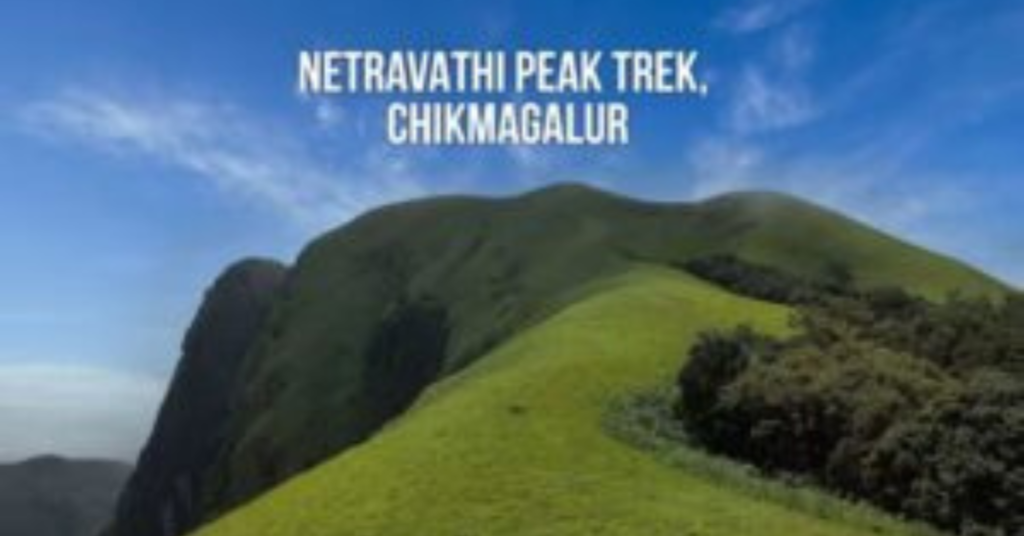
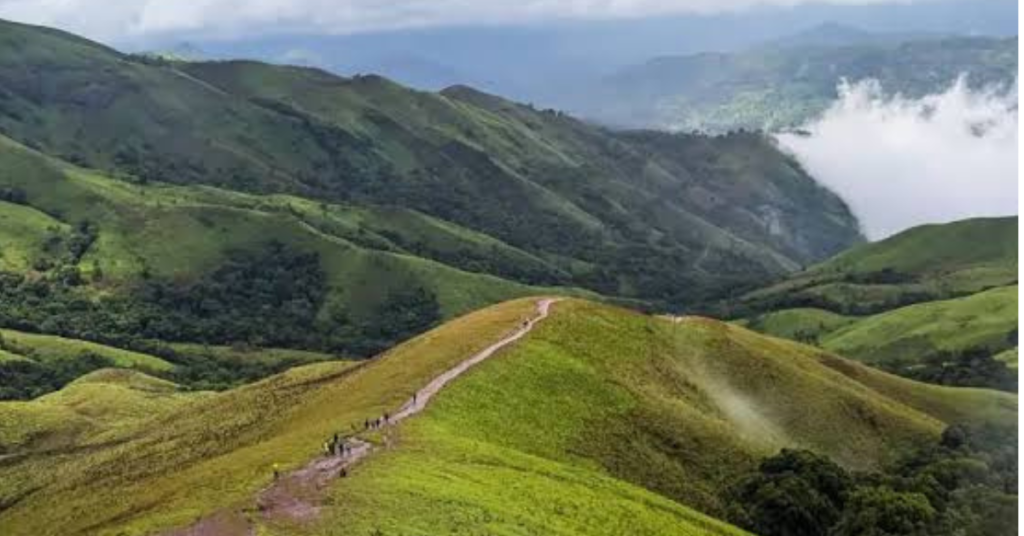
Is the Netravati Trek Good in Monsoon?
Yes — the Netravati trek is considered one of the best monsoon treks in Karnataka. Monsoon is actually when the trail looks its most beautiful. Between June and September, the entire region turns deep green. Forests feel fresher, clouds move constantly across the hills, and small streams appear throughout the route.
The landscape changes almost every kilometre during the climb — which is one of the biggest reasons why the trek feels so memorable in the monsoon. It is a perfect weekend trek from Bangalore, easily completed in a two-day trip.
However, trekking in the monsoon is not always easy. Heavy rain makes the trail muddy and slippery, especially during the final uphill climb near the summit. Fog becomes very common and visibility may suddenly drop in exposed grassland sections. Leeches are present in forest patches after continuous rainfall.
Why Netravati is One of the Best Monsoon Treks in Karnataka
Among the many green treks near Bangalore, Netravati Peak stands out during the monsoon. The dry hills disappear under thick greenery, forest sections become darker and cooler, and small water streams start flowing across the trail.
Another reason people enjoy this trek in monsoon is the variety in its route. One part moves through dense forest cover, while another suddenly opens into wide grasslands with clouds drifting across the hills. Even the smaller details stand out more in monsoon — wet rocks, fog-covered ridges, fresh streams, and the constant sound of rain inside the forest sections.
The overall experience of Netravati in monsoon feels more immersive compared to doing the trek in dry months. That is exactly why it has become one of the most popular monsoon treks in Karnataka.
What to Expect on the Monsoon Trail
The monsoon makes the Netravati trek more beautiful but also changes the overall trekking experience quite a bit. The route feels slower, more unpredictable, and physically demanding compared to other months. A clear section can suddenly turn foggy within minutes, and light rain may continue on and off throughout the climb.
At higher points on the trail, clouds often move directly across the ridges instead of staying in the distance. Because of the constant moisture, the trail becomes softer and more slippery than usual. Trekkers naturally slow down near muddy slopes and narrow uphill sections, especially closer to the summit. Descending usually takes even longer because wet mud and loose stones make downhill stretches trickier.
For many people, this changing weather is exactly what makes this trek more exciting and different every time.
Lush Green Landscapes and Cloud Views
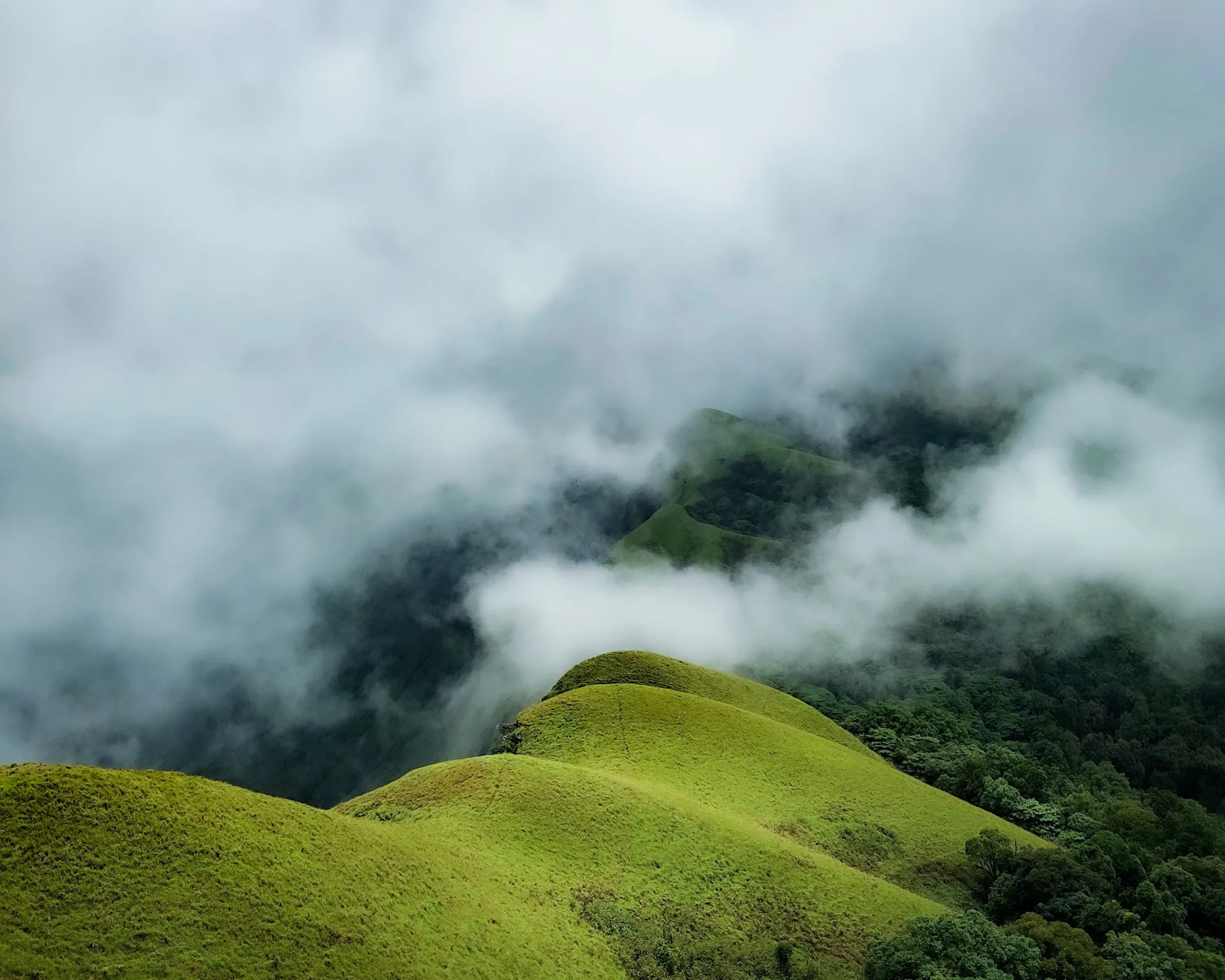
Monsoon is when the trail looks its most vibrant. The hills turn intensely green, forest paths feel fresher, and clouds keep moving across the valleys throughout the day. As the climb gains height, the scenery opens into rolling grasslands and long ridgelines. In many sections, the clouds move so close to the trail that entire viewpoints disappear for a few moments before becoming visible again.
The mix of rain, fog, and wind gives the trek a very untouched mountain feel. For photography lovers, this is also the season when the trail looks the most dramatic.
Slippery Trails and Leeches
While monsoon improves the scenery, it also makes the trek more challenging. The mud becomes loose after continuous rain, especially during the final climb near the summit. Wet grass and uneven rocks can reduce grip — good trekking shoes are essential in this season.
Leeches are common in forest stretches, particularly after heavy rainfall. They are usually harmless, but many trekkers carry salt or anti-leech spray. Even with these conditions, the trek is manageable for beginners with decent fitness.
Monsoon Trek Difficulty
In drier weather, the Netravati Peak trek is manageable for most beginners. But as the rainy season starts, the trail changes quite a bit, particularly on the steeper sections near the top. The forest stretches at the start are usually easier to walk through, though continuous rain leaves behind muddy patches and flowing water across the path.
The final climb near the summit usually requires the most effort during monsoon because the trail becomes steeper and more exposed. Fog adds another layer to the climb — on some days, the ridges stay completely covered for long periods, making visibility unpredictable.
One thing many first-timers underestimate is how tiring monsoon trekking can feel even on shorter routes. Shoes stay wet for hours, clothes rarely dry properly, and the constant moisture drains energy faster than expected. Still, the trek does not require technical climbing or prior experience. With proper shoes, rain protection, and a steady pace, most beginners can complete it comfortably.
Best Months for the Monsoon Trek
June – Fresh Greenery Begins
June marks the arrival of the first strong rains. The hills slowly start turning greener, streams begin flowing again, and forest sections feel cooler after summer. The trail is still relatively stable compared to peak monsoon weeks. This period works well for trekkers who want monsoon scenery without extremely difficult trail conditions.
July and August – Peak Monsoon
By July, the landscape looks completely transformed. Thick clouds move constantly across the ridges, streams cut through parts of the route, and rain can continue for hours. These months also bring the toughest trekking conditions — the upper slopes stay slippery for most of the day, and some sections turn heavily waterlogged after back-to-back rainfall. Leeches are far more common during this phase. Still, many trekkers prefer this period because the trail feels more dramatic and alive than any other season.
September – Balanced and Scenic
September usually offers the most balanced monsoon experience. The hills remain green, but the weather starts calming down. Heavy showers become less frequent, which helps improve visibility and trail stability. Cloud movement continues around the valleys, though clearer summit views are more common compared to July and August. For trekkers looking for a mix of monsoon scenery and easier walking conditions, September is often the most comfortable time to visit.
Packing List for the Monsoon Trek
- Poncho or raincoat (light showers can quickly turn heavy on upper sections)
- Rain cover for your backpack or waterproof pouches
- High-ankle trekking shoes with deep traction — non-negotiable in monsoon
- Quick-dry clothes instead of cotton wear
- Extra socks (at least 2 pairs)
- Anti-leech socks or salt
- Energy snacks for the longer, slower climb
- Waterproof cover for electronics
- Small towel or microfibre cloth
- Headlamp with extra batteries
Packing note: One common mistake is overpacking. Since the trek already feels slow in the rain, carrying unnecessary weight only makes the uphill sections more tiring. Keep your pack under 8–10 kg.
Safety Tips for Monsoon Trekking
- Never rush on slippery sections — maintaining a steady pace works better than pushing hard
- Stay with your group — fog can reduce visibility quickly in open sections
- Check stream levels before crossing — streams that were small in the morning can swell significantly after rain
- Start early — aim to be back at basecamp before 4 PM when afternoon rain is most intense
- Inform someone of your planned route and return time
- Book with an operator — a local guide who knows the trail in all weather conditions is invaluable in monsoon