The Netravati River
The Netravati River is one of the most important rivers in Karnataka. Flowing through the Western Ghats and coastal regions of the state, the river plays a major role in local life, agriculture, culture, and tourism.
The name "Netravati" is believed to derive from Sanskrit words meaning "eye" and "river." Because of this, the river is sometimes poetically referred to as the "Eye of the Earth." Local legends also link the river to divine stories and natural beauty, adding to its cultural significance in Karnataka.
It begins from the forested hills near Kudremukh and flows through to the busy coastal city of Mangalore, passing through some of the most scenic landscapes in Karnataka. Along the way, it is deeply connected with places like Dharmasthala, where thousands of pilgrims visit every year.
Overview
The Netravati River is a major west-flowing river in Karnataka. It flows through the districts of Chikkamagaluru and Dakshina Kannada, stretching for around 103 kilometres before finally joining the Arabian Sea near Mangalore.
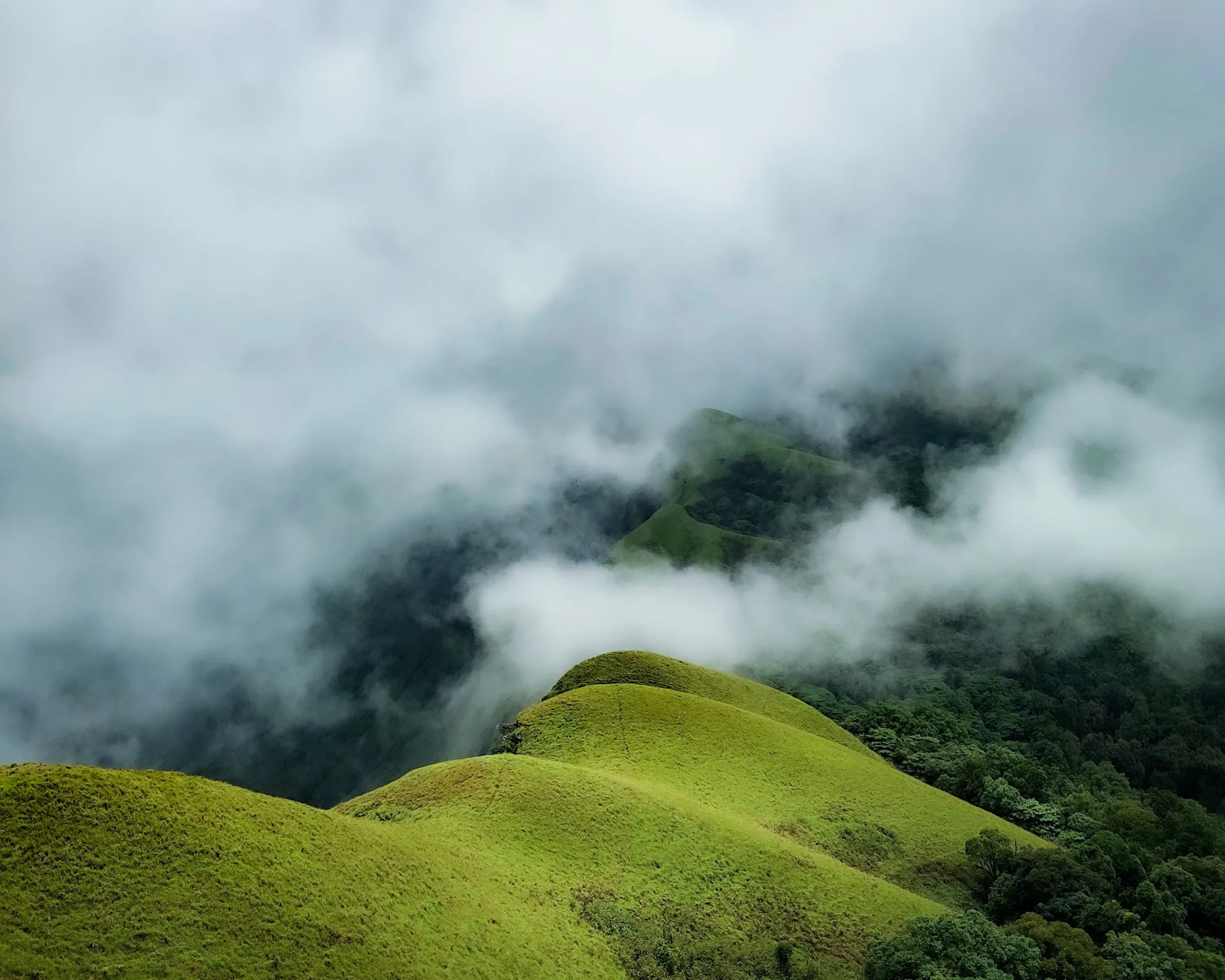
The river is known for both its natural beauty and regional importance. It supports farming, supplies water to several towns, and holds religious value in many parts of coastal Karnataka. The scenery around the river changes noticeably along its route — near the Western Ghats it flows through dense forests and misty hills; as it moves further west, it flows through towns, villages, and coastal plains before reaching the sea.
Origin and Course
The Netravati River originates in the Western Ghats near the Kudremukh region of Karnataka — a UNESCO World Heritage Site known for its rich biodiversity, dense forests, and heavy rainfall. From there, it flows westward through forested hills, valleys, and coastal plains before emptying into the Arabian Sea near Mangalore.
During monsoon, the entire region receives heavy rainfall, turning the area lush, green, and misty. These constant rains feed several streams and small water channels, which come together to form the river in its upper course.
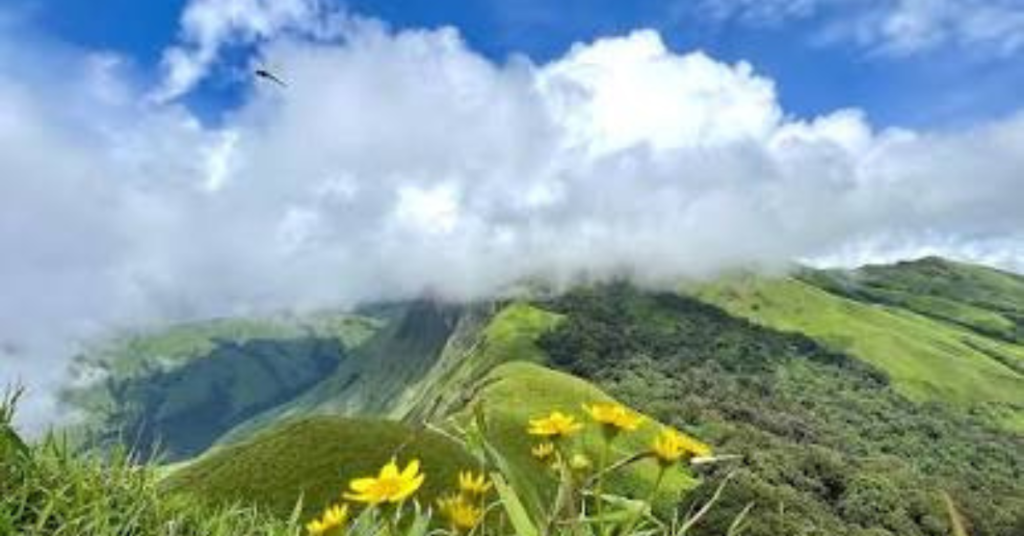
The region around the river's origin is also known for trekking and nature tourism. Places like Netravati Peak have become popular among trekkers because of their scenic grasslands and mountain views — and both the peak and the river share their name and their origins in the same range of hills.
Tributaries
Several small rivers and streams merge into the Netravati River during its journey across Karnataka. Some important tributaries include the Kumaradhara River, Gundia River, and Kapila River. These tributaries together support the river system and play an important role in the ecology and water supply of the region.
Note: The Netravati River is not a tributary of another major river but an independent west-flowing river that drains into the Arabian Sea near Mangalore.
River Route (Netravati River Map)
The Netravati River flows across the western part of Karnataka before meeting the Arabian Sea near Mangalore. Looking at the route, it begins in the hilly western region and gradually moves towards the coastal plains, passing through several towns and important cultural centres including Dharmasthala.
The journey of the river: Western Ghats near Kudremukh → forested hill regions → Dakshina Kannada plains → Mangalore coast → Arabian Sea.
These changing routes support very different ecosystems throughout its course. Upper sections are surrounded by dense greenery and heavy rainfall zones, while the lower stretches become important for farming, transport, and daily water use in coastal Karnataka.
Netravati River in Dharmasthala
Dharmasthala is the most visited pilgrimage town in Karnataka, and the Netravati River holds strong religious importance here. The calm surroundings and spiritual connection of the place make the river an important part of the pilgrimage experience.
Every year, thousands of devotees visit Dharmasthala to seek blessings at the famous temple and also spend time near the river. For them, the river is not just a natural landmark but a sacred place connected with purification and prayer.
Many pilgrims take a holy dip in the Netravati River at Dharmasthala — a symbol of cleansing and spiritual purification before offering prayers at the temple. The riverbanks often become active during festivals and religious gatherings, especially when large numbers of devotees visit the temple town.
Major Bridges on the Netravati River
The river is not just important for nature and culture but also for daily transport in coastal Karnataka. As the river moves towards Mangalore, several bridges have been built to connect roads, towns, and trade routes. These bridges make travel easier between the coastal cities and nearby regions, and play a role in connecting highways and supporting the movement of people and goods.
Netravati River Bridge in Mangalore
One of the most crucial crossings over the Netravati River is the bridge near Mangalore. This bridge connects the city with the southern parts of Karnataka and is part of major transport routes leading into Kerala as well. Road connectivity around this bridge has improved over time, making travel smoother and faster — especially for people moving between the coastal belt and interior Karnataka.
Importance of the Netravati River
Water Source
The river is a valuable source of freshwater for many towns and rural areas in Dakshina Kannada. It fulfils drinking water needs and supports everyday household use in nearby regions. During dry months, the stored and flowing water becomes even more crucial for local communities.
Agriculture
Farming around the river basin depends highly on its water supply. Crops like paddy, coconut, and arecanut are commonly grown in this region. Because of this steady water availability, agriculture remains one of the major sources of livelihood for local communities.
Ecology
The Netravati River serves beyond just humans — it also supports the rich biodiversity in the Western Ghats region. The surrounding forests, hills, and river ecosystems are home to many plant and animal species, keeping the balance between forest, water, and wildlife.
Best Places to Visit Around the Netravati River
Dharmasthala
One of the most famous pilgrimage destinations in Karnataka. The peaceful surroundings of the Netravati River make it spiritually and culturally significant for visitors.
Kudremukh
Known for its scenic rolling green hills and mountain scenery in the Western Ghats. The nearby landscape is also connected to trekking routes like Netravati Peak, which has become a popular choice among adventure lovers in recent times.
Mangalore
As the river reaches the coast, it passes near Mangalore, a major coastal city known for beaches, seafood, temples, and port life. The meeting point of the river and the Arabian Sea adds to the scenic charm of the region.
Best Time to Visit the Netravati River
Monsoon (June to September)
During this time, the river looks its most beautiful and powerful. Heavy rainfall in the Western Ghats fills the river completely, turning the surrounding hills lush green. Waterfalls become active, forests look fresher, and the entire region feels more vibrant. However, travel plans should be made carefully due to heavy rain in some areas.
Winter (October to February)
Winter is usually the most comfortable time to visit the river region. The greenery from the monsoon remains, the skies are clear, and travel is easier throughout coastal Karnataka. This is also the best season for trekking on the Netravati Peak trail that originates from the same range.