Netravati Peak Trek vs Kudremukh: Which Karnataka Trek Is Better?
Netravati trek and Kudremukh trek are the two most popular treks in Karnataka’s Western Ghats. Both treks take you through dense forest sections, rolling grasslands and mist-covered valleys. These similar experiences are why they are often compared with each other.
Even though the treks are located close to each other in the Chikmagalur region, their overall experience feels quite different.
Kudremukh is an iconic trek and attracts a much larger number of trekkers throughout the year. The trail is longer, more challenging and is known for its massive green hills and panoramic ridgeline views. On the other hand, Netravati Peak feels quieter and less commercialised. The trek is comparatively shorter, easier and preferred by people looking for a more relaxed and peaceful trail without much crowd.
This makes the whole difference, where the better trek really depends on the kind of experience you want. Some people prefer the classic Western Ghats experience of Kudremukh, while others enjoy the way Netravati trek feels.
This guide will take you through the major differences between both treks and will help you decide which trek suits your travel style better.
Netravati Peak Trek Overview
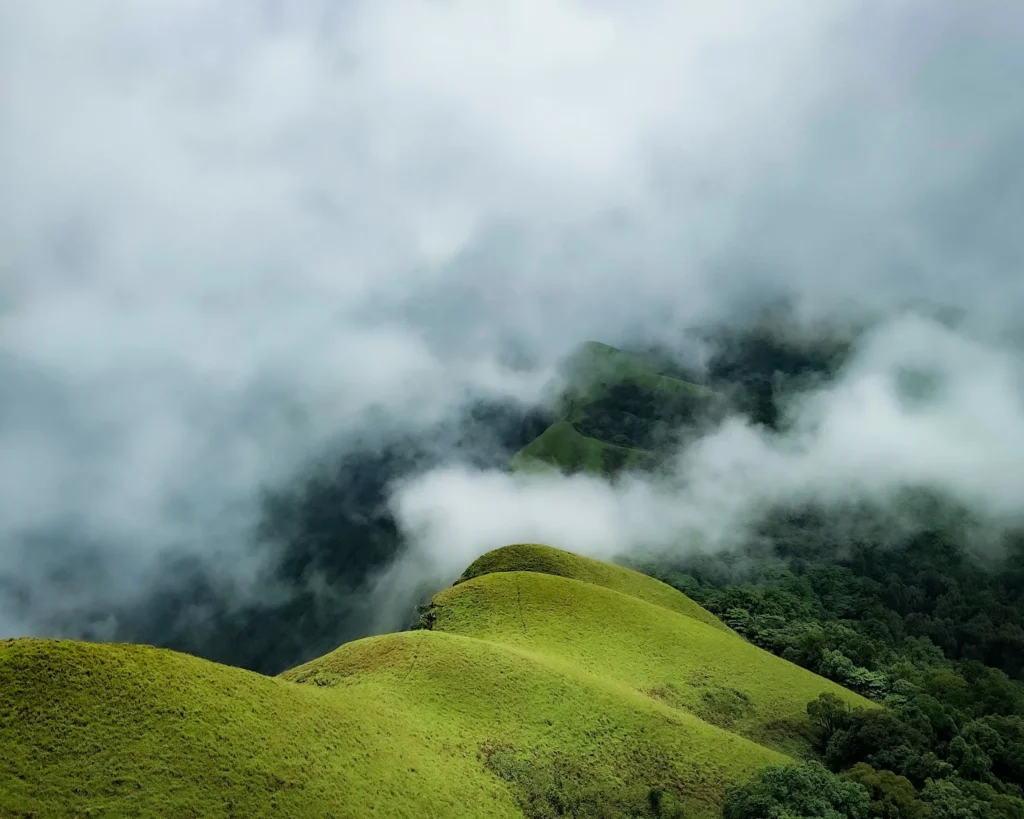
The Netravati Peak trek has become significantly popular over the last few years, especially among weekend travellers from Bangalore. But even after gaining popularity, the trail still feels less crowded compared to many other Karnataka treks.
The route usually starts near Samse village and passes through forest trails, stream crossings and open grasslands before reaching the summit. One of the best parts about this trek is how quickly the scenery keeps changing during the climb.
Compared to Kudremukh, Netravati feels more offbeat and less commercial. The trail is shorter, the climb is more manageable and the overall atmosphere feels calmer. It is usually preferred by:
- Beginners with decent fitness
- Monsoon trekkers
- People looking for a quick weekend trek
- Trevellers who want scenic views without a very long hike.
Kudremukh Peak Trek Overview
Kudremukh Peak is one of the most recognised treks in Karnataka. The name “Kudremukh” translates to “horse face” in Kannada because of the shape of the peak. It is famous for its massive rolling hills, open grasslands and wide valley views.
Since it is a well-known trek in the Western Ghats, the route usually sees more trekkers, especially during the weekends and monsoon season.
Kudremukh is much longer and more physically demanding than Netravati. The trek involves continuous walking and steep climbs. But at the same time, most trekkers feel that the effort is completely worth it because of the scale of the landscape and the summit views.
Trek Distance & Duration Comparison
Both the Netravati trek and Kudremukh trek are one-day treks, but the overall effort and time required feel very different. The Netravati trek is shorter and quicker to complete. The total distance is around 11-14 km for the round trip, which most people finish within 5 to 7 hours.
Whereas the Kudremukh trek is much longer. The total distance is also around 18-22 km, depending on the route and checkpoints. This means it would easily take anywhere between 8 to 10 hours to complete for most groups.
Because of the shorter distance, the Netravati trek feels more relaxed and manageable for a weekend trip. While the climb is tiring in some sections, the overall route is less exhausting compared to Kudremukh. On the other hand, Kudremukh requires more stamina because of a longer trail and continuous walking though open hills and ridges. Many trekkers also feel the return journey becomes tiring after the summit climb.
So, if you want a shorter and easier weekend trek, Netravati is usually the better choice. But if you enjoy longer hikes and don’t mind spending an entire day on the trail, Kudremukh can also offer a bigger trekking experience.
Difficulty Level – Which Trek Is Harder?
The difficulty level between the two—Kudremukh is generally considered the harder trek. And the biggest reason for this is the distance and the amount of physical effort required throughout the day. Kudremukh involves longer walking hours, steeper climbs in some sections and continuous movement across exposed grasslands.
The trail also includes:
- multiple stream crossings
- long ridge walks
- muddy climbs during monsoon
- larger elevation gain
Due to all this, the trek can feel physically draining, especially for beginners or people who are not used to long distance trekking. On the other hand, the Netravati trek is much easier, as the route is shorter and the climb feels more gradual, especially during the first half of the trek.
However, this does not make it completely easy. Because the final ascent near the summit can still feel tiring. And it becomes slippery during rainy weather.
A simple way to look at it is the following:
- Netravati trek → better for beginners and relaxed weekend trekkers
- Kudremukh trek → better for experienced trekkers or people comfortable with long hikes
So, if you’re trying for a first Western Ghats trek, Netravati can be more manageable, while Kudremukh suits people looking for a bigger physical challenge.
Scenery & Experience
Both Netravati Peak and Kudremukh Peak offer beautiful Western Ghats landscapes, but the overall feel of both treks is quite different.
Netravati feels more quiet and close to nature. The trail moves through dense forest sections, narrow paths, stream crossings and mist-covered grasslands. Since the route sees a lesser crowd, the experience feels calmer for most of the trek.
One of the best parts about Netravati is how the scenery keeps changing during the climb. A shaded forest section suddenly opens into wide green slopes, and then slowly turns into steep ridgelines near the summit.
On the other hand, Kudremukh feels much bigger and more open from the start. The trek is famous for its endless rolling hills and wide valley views. Large parts of the route pass through open grasslands which makes the landscape feel more dramatic and expansive.
So the experience mainly depends on what you enjoy more:
- Netravati trek → forests, misty trails and a quieter atmosphere
- Kudremukh trek → massive green hills and grand valley views
Best Time to Visit (Season Comparison)
Both treks are best visited between June and February, but the experience changes a lot with each season.
Monsoon (June to September)
Monsoon is when both treks look their greenest. The hills become covered in fresh greenery, clouds move across the valleys and small waterfalls appear throughout the route. During this time, Netravati Peak typically feels more misty and forested due to its dense tree sections and narrower trails.
Whereas Kudremukh Peak appears much wider and more dramatic during the monsoon. The rolling hills become extremely lush, which is one of the main reasons why the trek is so famous during this season. At the same time, both trails become slippery after heavy rain, especially in steep grassland sections.
Post-Monsoon & Winter (October to February)
This is considered the most comfortable season for both treks. The greenery from the monsoon and the clear skies improves the visibility a lot. Weather conditions also feel more pleasant for long climbs.
Netravati becomes easier to manage during this time because the trail is less muddy compared to peak monsoon. While Kudremukh also feels more enjoyable in winter since the open hills offer much clearer mountain views during the day.
This season is best for:
- clearer summit views
- comfortable trekking weather
- photography
- first-time trekkers
Summer (March to May)
Summer is usually less preferred for both routes. Since large parts of the trails are exposed, the climb can feel hot and tiring during afternoons. The greenery also starts to reduce slowly during these months.
However, compared to Kudremukh, Netravati may feel slightly easier in summer because parts of the route still pass through shaded forest sections.
Permits & Entry Rules
Both Netravati Peak and Kudremukh Peak pass through protected forest areas, so permission is usually required before starting the trek. But the overall entry process feels slightly different for both routes.
For Netravati trek, permits are generally given near the forest check post close to Samse village. And in some cases, nearby homestays or local trekking operators also help arrange the entry process in advance.
The rules here are a little more flexible because the trek is less commercial compared to Kudremukh.
Kudremukh, on the other hand, has a more organised permit system because of the higher number of visitors throughout the year. Trekkers usually need to register with the forest officer near the base area before entering the trail.
For both treks, a few common rules apply:
- No littering on the trail
- Plastic waste should be avoided
- Loud music is not allowed
- Camping near the summit is restricted
- Late entries are usually not permitted
During monsoon or heavy fog, local guides may also be recommended in some cases for safety and easier navigation.
So overall:
- Netravati trek → simpler and less crowded permit experience
- Kudremukh trek → more structured entry process because of higher footfall
Crowd Levels & Popularity
This is probably one of the biggest differences between both the treks. Kudremukh trek is one of the most famous treks in Karnataka, so the trail usually attracts a large number of people, especially during weekends and the monsoon season.
And because of this popularity, permits can fill faster, trails feel busier, summit areas often have bigger groups and nearby homestays also remain crowded during peak season.
Some trekkers enjoy this lively atmosphere, especially when travelling with friends or larger groups. Whereas Netravati trek feels quite different in comparison.
Even though this trek has become more popular in recent years, the overall experience still feels calmer and less commercialised. This is one of the biggest reasons why many trekkers now prefer Netravati for a relaxed weekend trip.
To simply put it all together:
Kudremukh → more famous, busier and more social
Netravati → quieter, more offbeat and less crowded
So, if you enjoy energetic trekking groups and a classic Karnataka trek atmosphere, Kudremukh may suit you more. But if you prefer a slower and more peaceful trail experience, Netravati often feels like a better choice.
How to Reach (Accessibility Comparison)
Both the Netravati trek and the Kudremukh trek are located in the Chikmagalur region of Karnataka, so the travel route from Bangalore is fairly similar. Most people travel overnight from Bangalore and reach the base area early in the morning.
The Netravati trek is usually accessed through Samse village near Kalasa. And the common route is:
Bangalore → Hassan → Belur → Kalasa → Samse
For Kudremukh, trekkers usually travel towards Mullodi or a nearby base village close to the Kudremukh region. The common route is:
Bangalore → Hassan → Belur → Kalasa → Kudremukh region
Travel time for both treks is usually around 7 to 9 hours by road, depending on the weather and traffic conditions.
However, Kudremukh feels slightly easier in terms of accessibility because:
- The route is more popular
- Transport options are more common
- More homestays and trekking groups are available
- Local guidance is easier to find
Netravati still remains comparatively less commercial, so the final stretch near the base village can feel quieter with fewer transport options.
For public transport:
- Overnight KSRTC buses are available till Kalasa or Chikmagalur
- Local jeeps and autos are used for the final stretch in both treks
So overall:
- Kudremukh → easier logistics and better connectivity
- Netravati → quieter approach with slightly less tourist movement
Which Trek Is Better for Beginners?
For beginners, the Netravati peak trek is typically the better choice. As the trek is shorter, less exhausting and easier to complete within a day. Even though some uphill sections can feel tiring near the summit, the overall climb remains manageable for people with basic fitness. The route also feels less overwhelming for first-time trekkers because the distance is comparatively shorter.
Kudremukh Peak, on the other hand, demands more stamina because of the longer trail and extended walking hours. This trek includes continuous climbs, open ridges and larger elevation gain. All this can feel difficult for beginners not used to long hikes.
At the same time, Kudremukh has a more established trekking route with clearer visitor movement and more trekking groups around. Because of this, some beginners may still feel comfortable doing it with proper preparation.
So if someone is trying their first Western Ghats trek and wants a more balanced experience, Netravati usually feels easier to start with.
Which Trek Is Better for Photography & Views?
Both treks are visually beautiful, but the kind of scenery you get on each trek feels quite different. The Netravti trek is more about mood and atmosphere. The trails feel dreamy, especially in the monsoon, because of clouds moving through the hills for most of the climb. This makes it perfect for:
- foggy mountain shots
- forest photography
- moody monsoon landscapes
- quieter natural frames without large crowds
Whereas Kudremukh offers a much bigger and more dramatic landscape experience. The massive rolling hills, endless green ridges and open valley views make the trek feel grand in scale. Because the route stays more open, photographers get wider mountain views throughout the trek instead of only near the summit.
Kudremukh is especially good for:
- wide-angle landscape photography
- sunrise and ridge shots
- large valley views
- panoramic Western Ghats scenery
So the better trek really depends on the kind of photos you enjoy more:
Netravati Peak → misty, forest-heavy and atmospheric views
Kudremukh Peak → vast green landscapes and dramatic mountain scenery
Quick Comparison Table
|
Factor |
Netravati Peak Trek |
Kudremukh Peak Trek |
|
Trek Distance |
11–14 km round trip |
18–22 km round trip |
|
Duration |
5–7 hours |
8–10 hours |
|
Difficulty Level |
Easy to Moderate |
Moderate to Difficult |
|
Trail Type |
Forests, ridges, grasslands |
Open hills, ridges, grasslands |
|
Crowd Level |
Less crowded |
More crowded |
|
Overall Feel |
Peaceful and offbeat |
Popular and energetic |
|
Best For |
Beginners and weekend trekkers |
Experienced trekkers |
|
Photography Style |
Misty and moody landscapes |
Wide mountain views |
|
Permit Process |
Simpler and quieter |
More organised |
|
Best Season |
June to February |
June to February |
|
Monsoon Experience |
Foggy forests and streams |
Lush rolling hills |
|
Accessibility |
Slightly quieter route |
Easier travel and connectivity |
Final Verdict – Which Trek Should You Choose?
Both Netravati and Kudremukh offer a beautiful Western Ghats trekking experience. The better choice mainly depends on what kind of trip you are looking for.
Choose the Netravati trek if you:
- Prefer quieter trails
- Want a less crowded weekend trek
- Enjoy misty forest routes and peaceful surroundings
- You are trying a Western Ghats trek for the first time
- You want a shorter and more relaxed climb
Choose the Kudremukh trek if you:
- Want the classic Karnataka trekking experience
- Enjoy long hikes and bigger mountain views
- Prefer wide open landscapes and panoramic scenery
- You are comfortable with a physically demanding trail
- You don’t mind trekking with a larger crowd at weekends
In the end, both treks are worth doing at least once. Netravati feels more offbeat, while Kudremukh offers a larger and more dramatic trekking experience.
FAQs
Which trek is better for beginners?
Netravati trek is generally better for beginners because the trek is shorter and less tiring compared to Kudremukh.
Which trek is scenic?
Both treks are beautiful in different ways. Netravati offers forest trails and a quieter atmosphere, while the Kudremukh trek is known for its massive green hills and panoramic valley views.
Which trek requires a permit in advance?
Both treks require permission before entry. However, Kudremukh often has a more organised permit system because of a larger number of trekkers visiting throughout the year.